

Emil Voss
Art
Writing has always been a means of observation rather than creation for me. A way to document the world as it is. As early as I can remember, this is what I wanted to do. At eleven years old, I told my mum I wanted to become a journalist, and I have not looked back since. Growing up in Poland, I gained formative experience plying my trade at local newspapers as a teenager, learning the discipline of reporting. Those early lessons continue to shape my work today. You can expect a cool, measured, journalistic tone in my writing. I am not here to entertain, but to observe, question, and give a platform to those less fortunate. Writing, for me, is a, perhaps never-ending, quest of capturing the fl eeting specter of objective truth. @emil.wos
7 pieces by Emil Voss
- Imperfect Is More Than PerfectHow is it possible that there are so many great ideas for art which never end up manifesting in a final product? How is it possible that we, as artists, want nothing more than to create perfectly and yet so often we fail to create at all? In this month’s piece, we will attempt to answer these questions while exploring the themes of doubt and perfectionism.°07 · Art · by Emil Voss · 2 min read
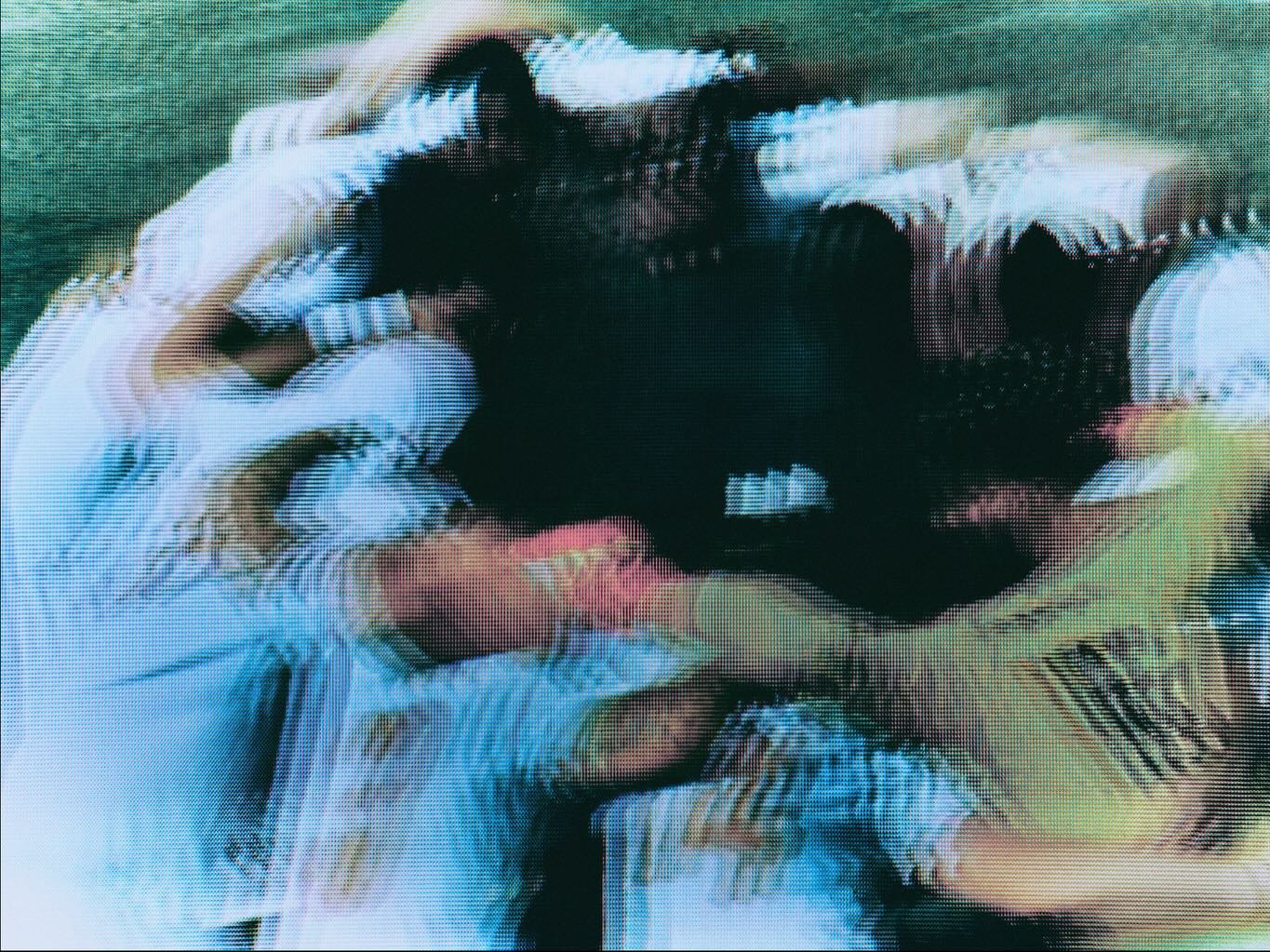
- Looking Beyond the Aesthetics of Nostalgia: TV Photography at the World CupThe FIFA World Cup is a global celebration of the most popular sport in the world – football. Aside from the sporting aspect of these massive tournaments, however, each one of them seems to have a certain aesthetic which guides how they will be collectively remembered. Surprisingly, this year’s World Cup in the US seems set to be remembered in instantly nostalgic, distorted photographs of the tournament’s TV broadcast. In this article, we look at how and why this unlikely aesthetic charmed the world of football, and why we should look beyond viewing it as a hollowed-out aesthetic style.°06 · Art · by Emil Voss · 2 min read
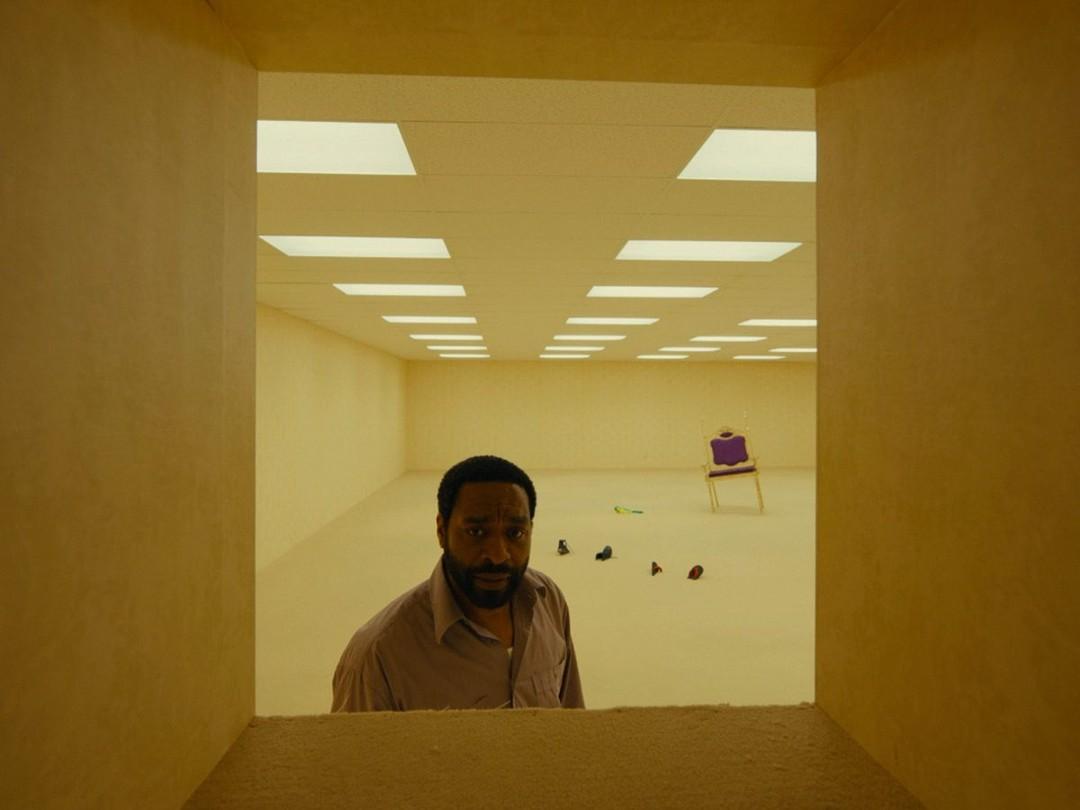
- The Monsters Inside of YouCurry Barker’s Obsession and Kane Parsons’ Backrooms have, out of nowhere, taken the world of cinema by storm, attracting wild numbers of visitors back to cinemas. In this piece, we analyse exactly where the success of the two YouTuber-directed films lies, why it’s worth looking for inspiration inwards rather than outwards and why psychological horror resonates so well with Gen Z.°05 · Art · by Emil Voss · 2 min read
- Creativity in the Age of the Infinite ArchivesIn an age where social media has become one of the main windows through which we interact with the world, it is important to critically analyse the effects these platforms and the ones who wield power in these spaces have over the creative processes of artists. In this article, we delve deep into the curious world of Instagram archive accounts and their solidifying position as descendants of the art gallery as cultural curators of the digital era.°04 · Art · by Emil Voss · 3 min read

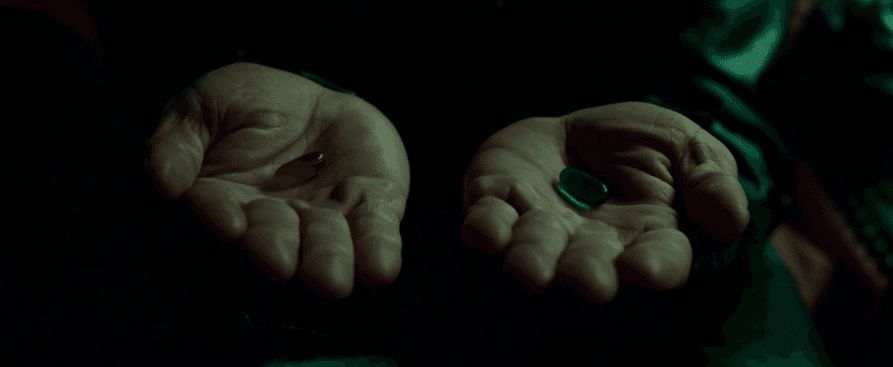
- Reclaiming the Red PillFor most of our readers, the term “red pill” would naturally bring to mind two obvious associations: the sci-fi classic, which the concept stems from: The Matrix, and the manosphere – a highly popular ideological movement embodied by controversial fi gures like Andrew Tate or Sneako. What if, however, the red pill could stand for more than that? In this article we look into how the Red Pill can be reclaimed by the artistic community and become a symbol of the curious.°03 · Art · by Emil Voss · 3 min read
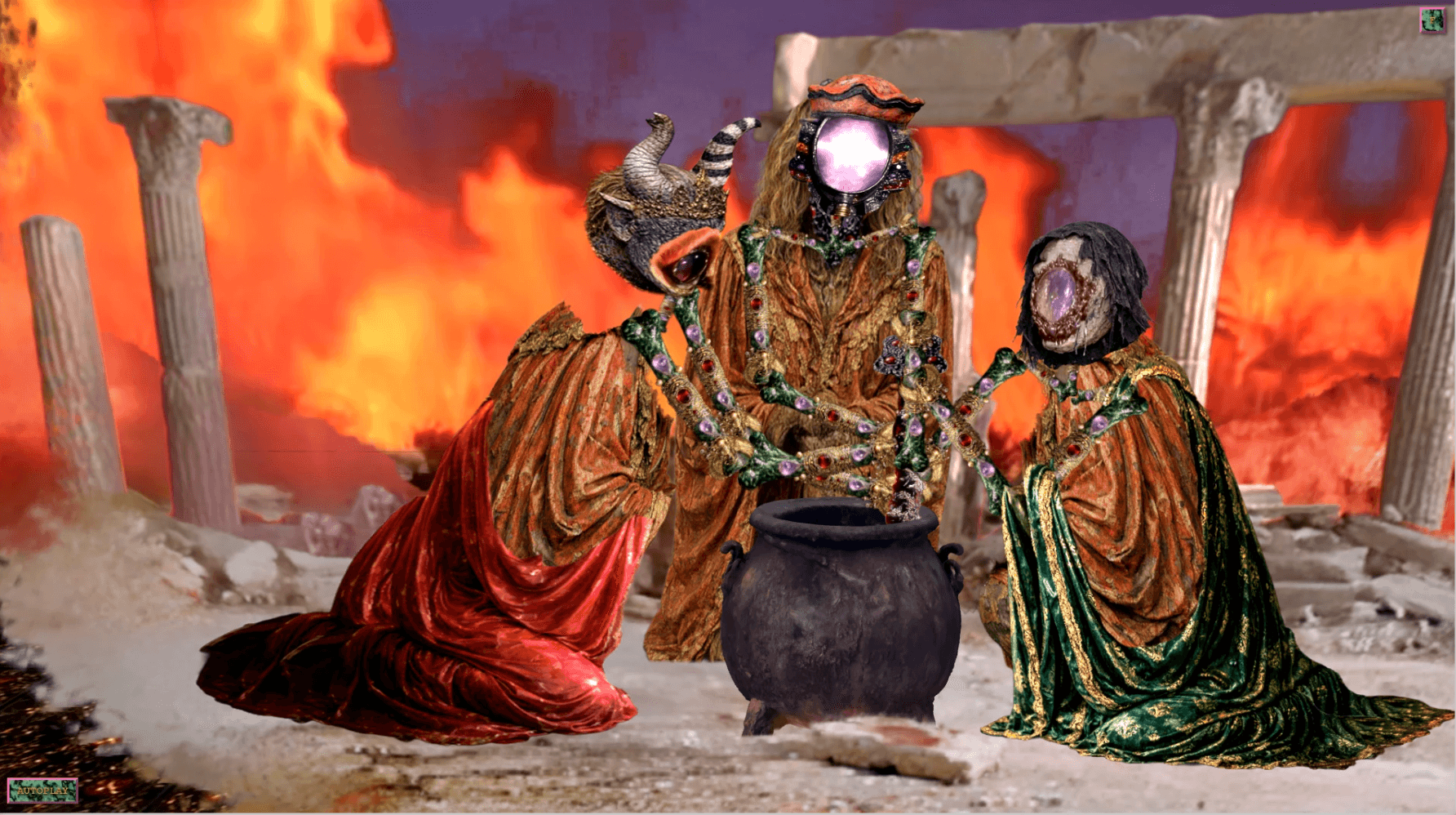
- Bringing the Internet Back From the Dead: Rediscovering Net.ArtFor many of our readers, the internet is their canvas. But for some, it can also be their paint. Or their brush for that matter. I mean all of that metaphorically, of course, yet it is true that the internet is for some artists not just a tool, but rather a full-blown medium. For those who were born into a digital world, it has even become enmeshed in who we are. With this article, we will delve deep into the chaotic world of net-art – a forgotten art form and propose how the famously Y2K-thirsty Gen Z might well bring back its broken aesthetic, on a quest to express its identity.°02 · Art · by Emil Voss · 4 min read
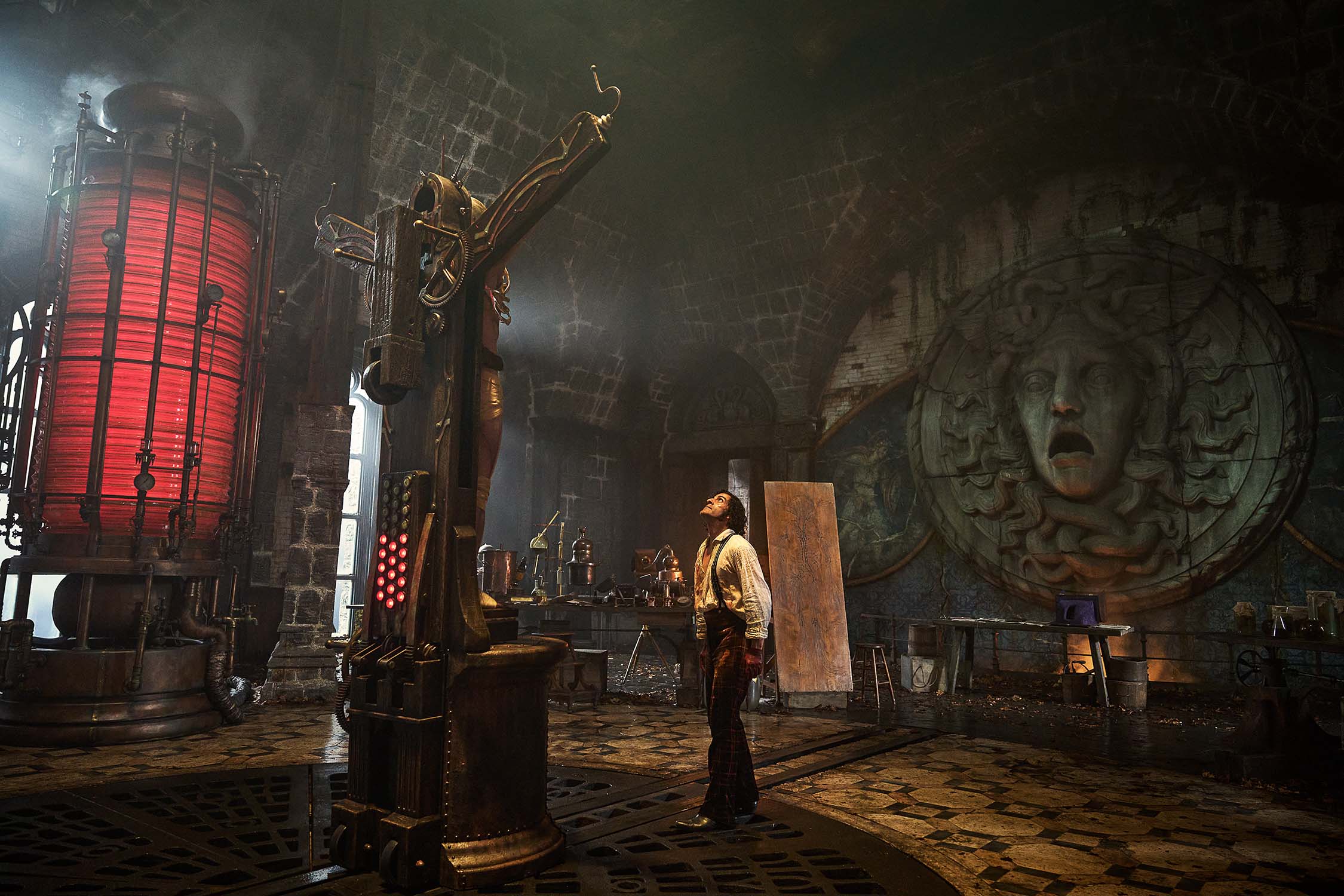
- Big Tech/Small ScreensThe days of the movie theatre, as we remember them, seem to be slowly fading into obscurity, whether we like it or not. We believe that the case of Del Toro’s Frankenstein (2025) will provide parallels not just to the general shift toward platformisation in the cinema industry, but to the realities of all kinds of arts that we all hold dear to our hearts, and address the uneasy feeling that we’re slowly losing what made us fall in love with them in the fi rst place.°01 · Art · by Emil Voss · 3 min read