Teodora Georgescu
Politics
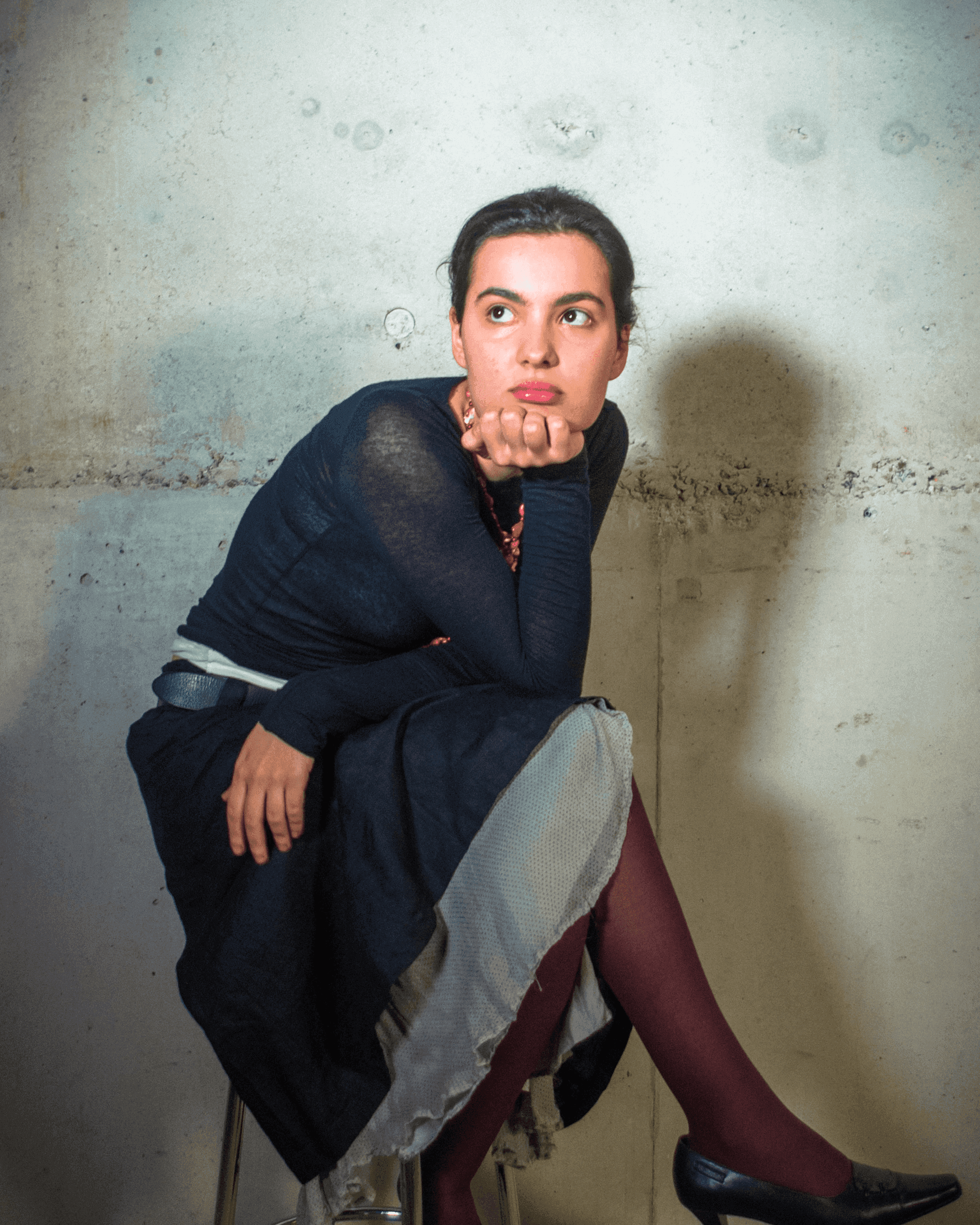
Writing, to me, has always felt like a living organism, something dug, planted and grown. Cherished and observed. Words on the page sometimes have limbs that reach out to me and shake me loose. My writing is constantly reassessed and trimmed or changed and so it never really stays the same, bearing the reflection of my own very movements. Part of why I write is that within this living colosseum of words and scribbles, I can begin to dig deeply into the complexity of my own thoughts. Allowing me to consolidate myself with the world around me. Whether I am being introspective or writing about something political, writing gives me the ability to look through a second pair of eyes and to see the different sides of what I may have thought to be a 2D surface. And so, writing first began for me through these emotive, introspective pieces that held the intimacy of a journal entry, a complete undressing of various elements of my identity that ruled my way of thinking at the time. Eventually transitioning to writing political pieces rooted these sentiments into real life and universal experiences, making my body of work feel cohesive and patchworked by a variety of experiences and phenomena.
8 pieces by Teodora Georgescu
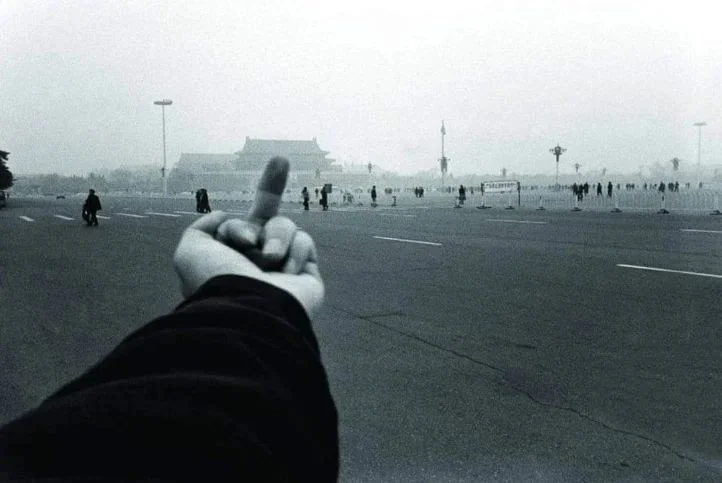
- Art’s Gift to UsHow can art transform doubt into a virtue rather than a vice? And what can this teach us about our own political life?°07 · Politics · by Teodora Georgescu · 3 min read
- Cool Britannia Rules the Charts°06 · Politics · by Teodora Georgescu · 2 min read
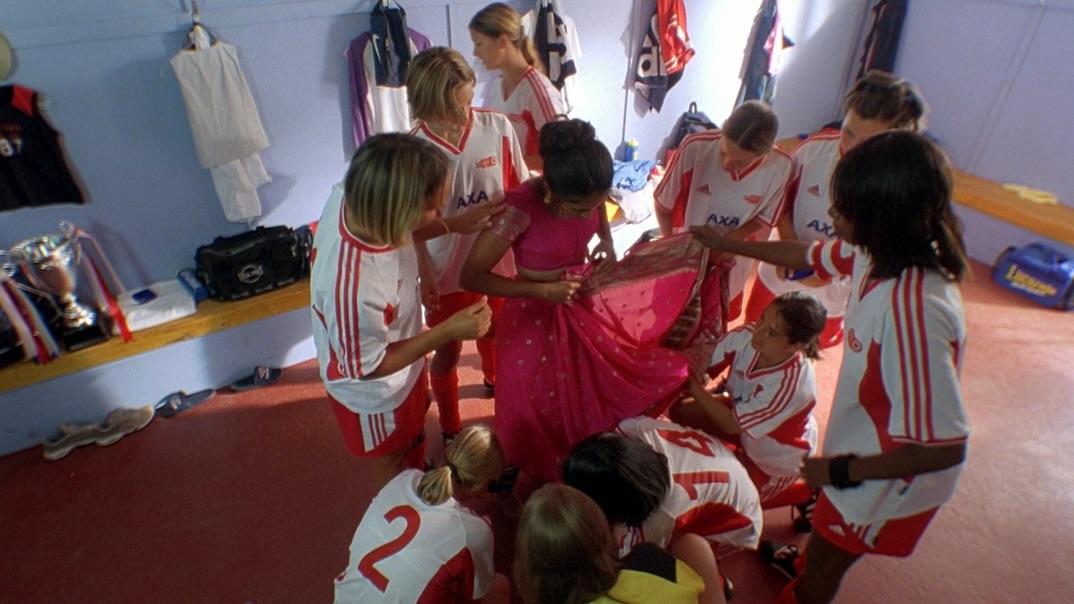
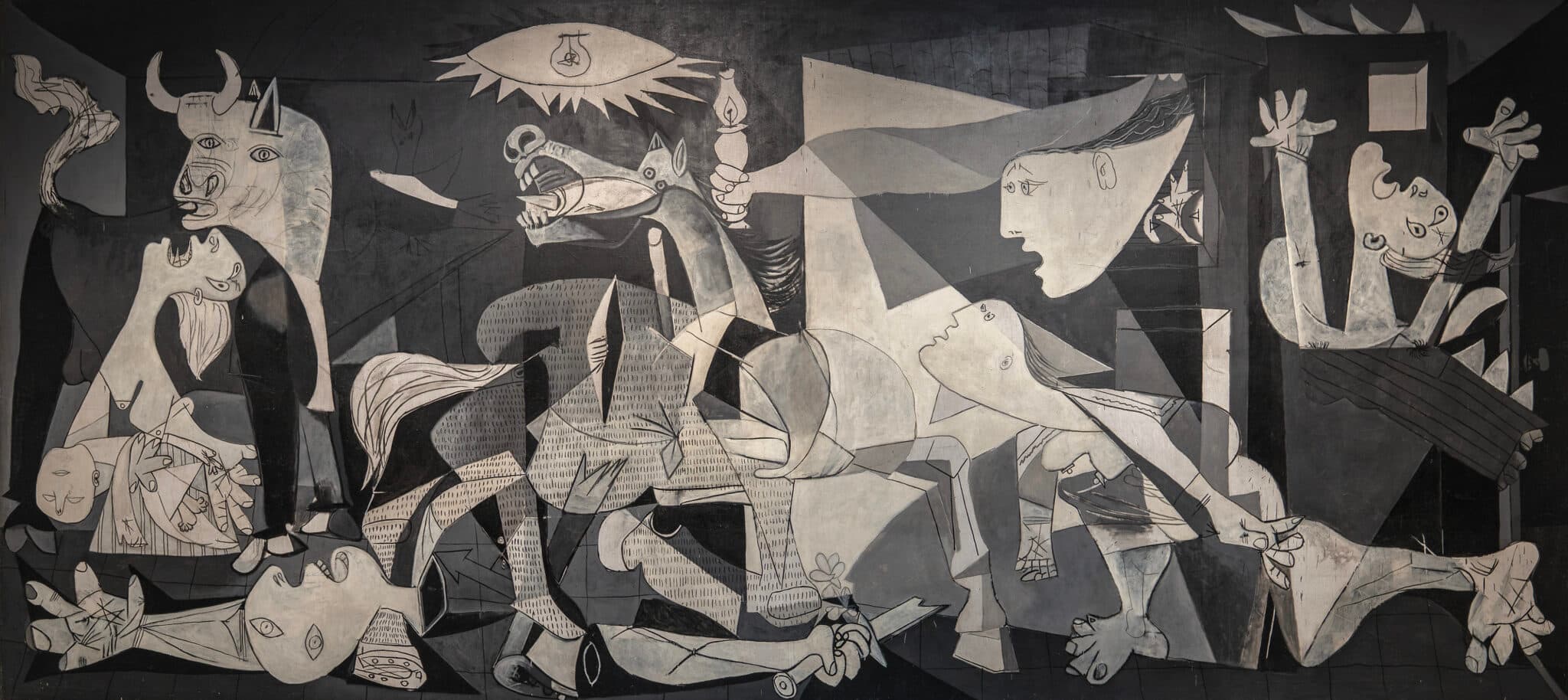
- What The Room AllowsAs writers and artists, we may often place a certain emphasis on the intimate caveats of our pain. Feeling as though the only way to produce valuable art is to drag ourselves through the torture of ripping open those scars again. But what does this perspective truly say about our understanding of art and what it means? Here, history has a lot to say about what art truly means to communities or populations defined by a systemic struggle. Revealing to us the contradictions in our own Western traditions.°05 · Politics · by Teodora Georgescu · 3 min read
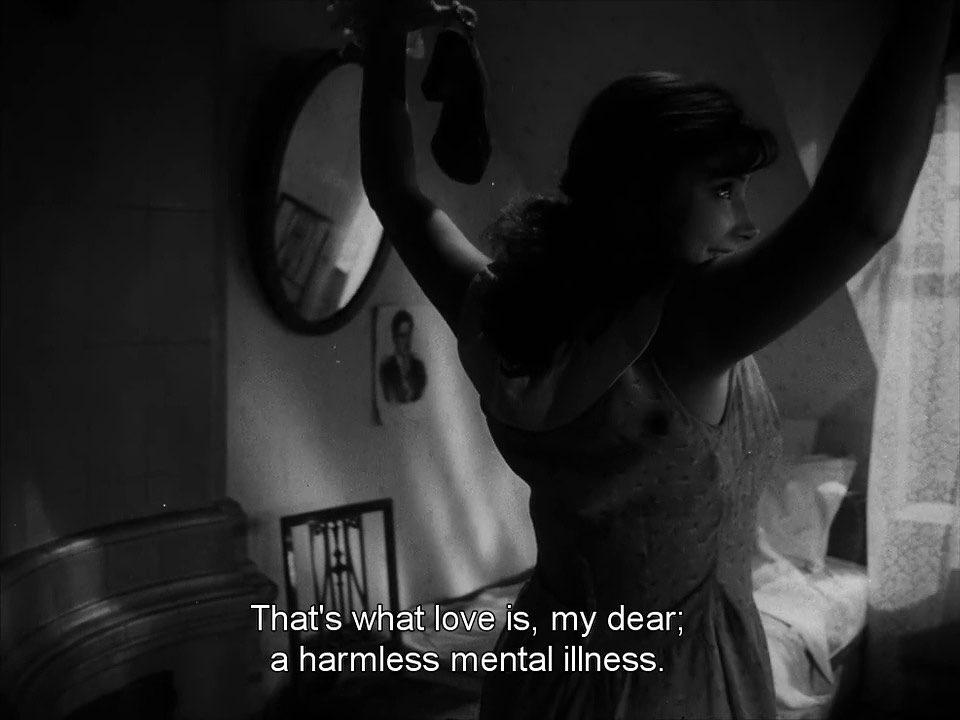
- When Baghdad FellImpulsivity exists in so many different forms. It can define our behaviour by affecting our decisions and our perspectives. Although at times, impulsivity can be a virtue, in the world of politics, impulsivity comes served in its own unique form. Laced with tunnel vision and, perhaps, a conflated sense of threat. In this article, I discuss how the devastating decision of the United States to invade Iraq in 2003 not only sent a debilitating ripple effect through the region, but also how that choice was, in its own way, politically impulsive.°04 · Politics · by Teodora Georgescu · 3 min read
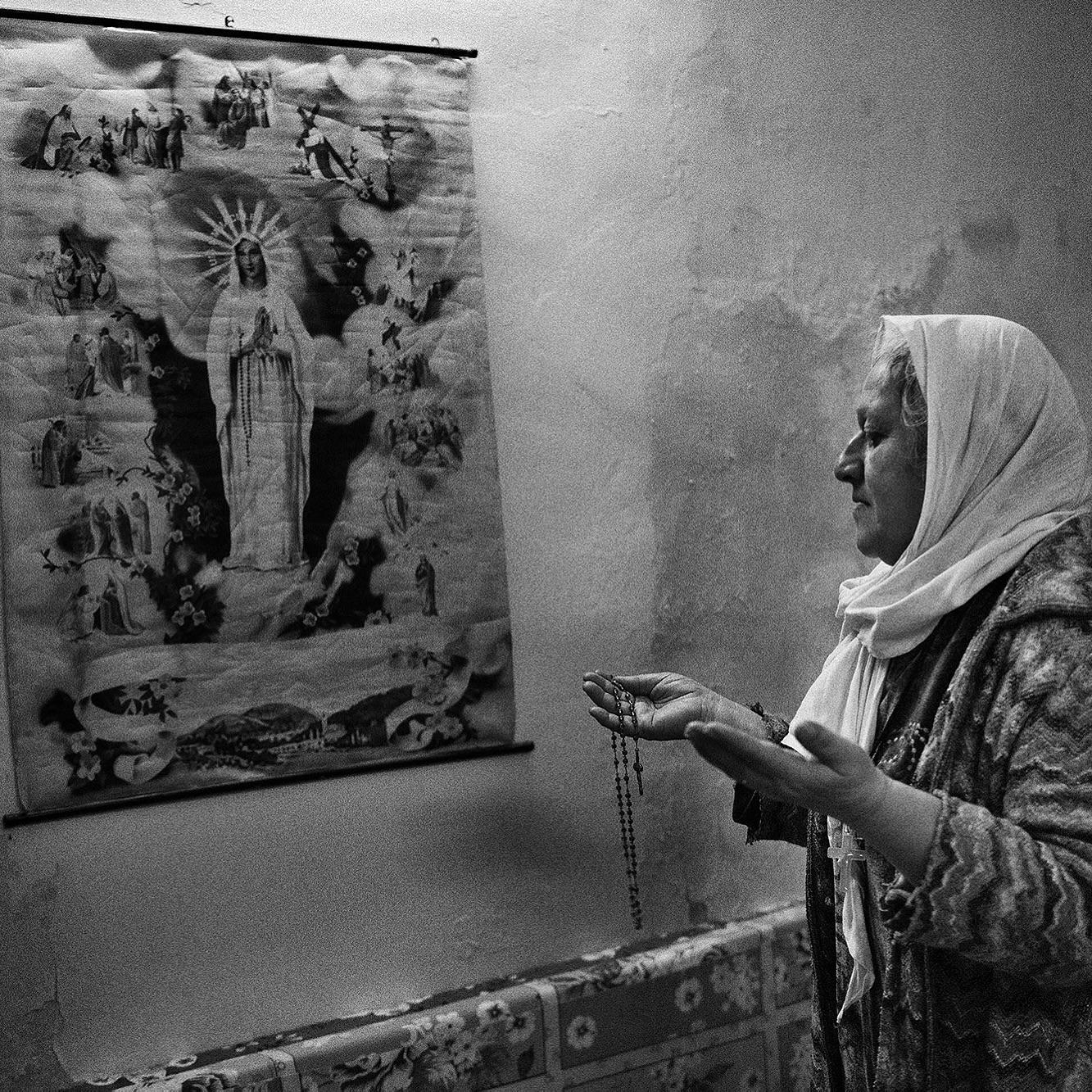
- Speaking in Tongues: The Anatomy of PolarizationArt can feel completely autonomous. But there have been moments when staring into the eyes of a piece of art does not bring you any comfort, but brings you only further meditations. In that split second shared between you and, say, a painting, there is a brief transfer, or perhaps a negotiation. You are drawn closer and there takes place a shift. Here, I explore the ways in which art can be polarizing. As an entity that is, often, agreed upon as being inherently political, how art can nurture ideological divide.°03 · Politics · by Teodora Georgescu · 2 min read
- When The State Sleeps In My BedIdentity can be a sticky journey – finding out who you are, what you want and who you want to be is an omnipresent endeavour that is not made easy by the globalist undertones of our society. But here, I take a much more personal stance on how identity can be developed, specifically British identity, when coming from a different place. And how, in highly politicised situations, identity becomes something that has to be acquired for reasons entirely wound to politics and survival. Fabricating a materialistic view of identity development.°02 · Politics · by Teodora Georgescu · 2 min read
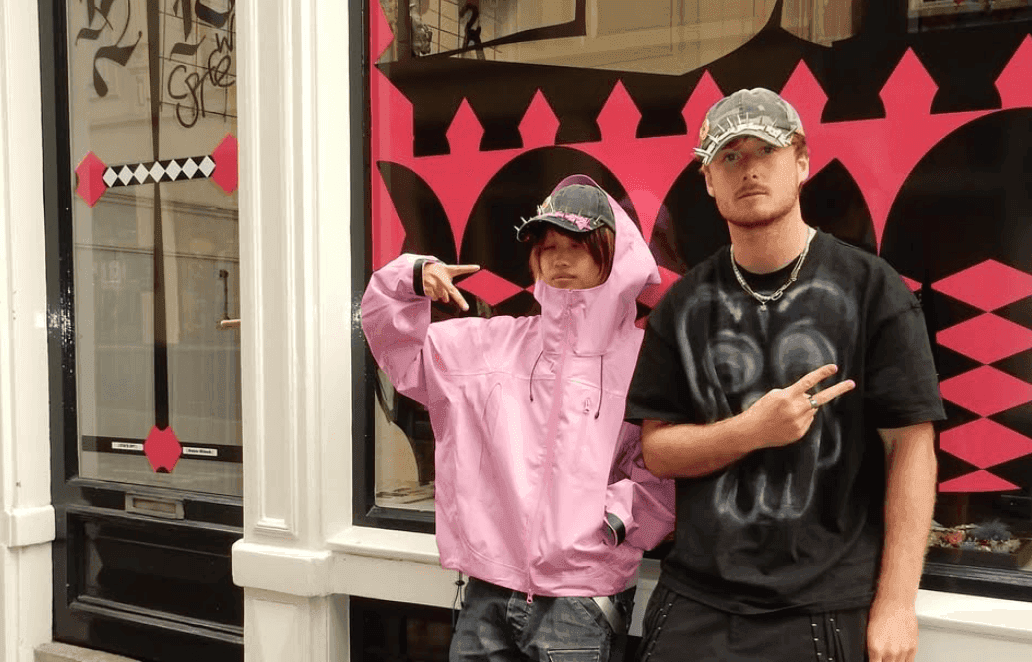
- Dream Unit, Teun BowmanThis conversation with Teun, co-founder of Dream Unit, takes us right to the centre of how creative thinking and a structured approach has shaped the very fabric behind one of Amsterdam’s emerging creative spaces. A space rooted in intentionality and community, Teun explains how Dream Unit is both a platform and a mobile space. In here, structure exists not as a looming presence but as a creative crutch; one that sustains both artists and the business itself in growing and evolving. In this interview, Teun reveals something that is perhaps not always at the forefront of emerging creative spaces: the importance of an administrative business model. A transparent approach to realising a creative space. Him and his co-founder: Evy, are different in their responsibilities but unitary in their mission, Teun’s intentional business and financial decisions meet Evy’s creative design to formulate a space at the heart of Amsterdam, geared towards channelling the creative energies of brands and…°01 · The Spotlight · by Teodora Georgescu · 3 min read
- On Political ApathyIt’s easy to make an enemy out of a person who is politically apathetic, and it is easy to cast judgment on their abilities to be “educated” or opinionated in the “right way”. Through this space of back-and-forth jurisdiction, regarding the status and treatment of those politically apathetic, we have come to forget how background structures and entrenched frameworks have had an overshadowing effect on shaping political culture. Before judgement, we must come to the table with an understanding of how these conditions shape how, and if even, people are able to engage politically.°01 · Politics · by Teodora Georgescu · 3 min read